
Table of Contents
- Why Drone Footage Redaction Is Becoming Its Own Compliance Problem
- How Drone Video Differs From Body-Worn Camera Footage
- Drone Footage Redaction After Castañares v. City of Chula Vista
- How States Are Regulating Drone as First Responder Programs
- Building a Defensible Drone Footage Redaction Workflow
- Preparing Your Agency Before the First Drone Footage Redaction Request
- Conclusion
- Sources
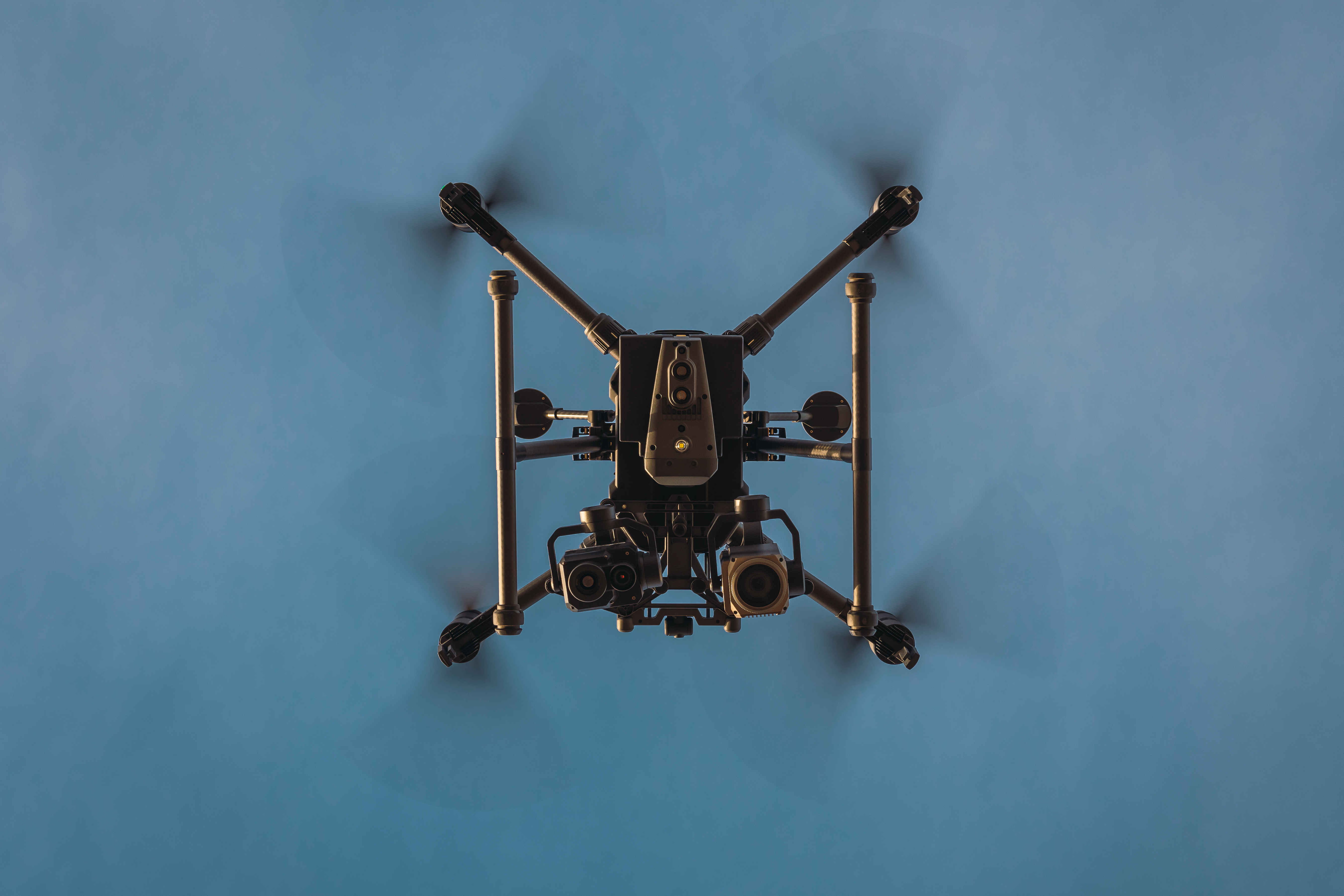
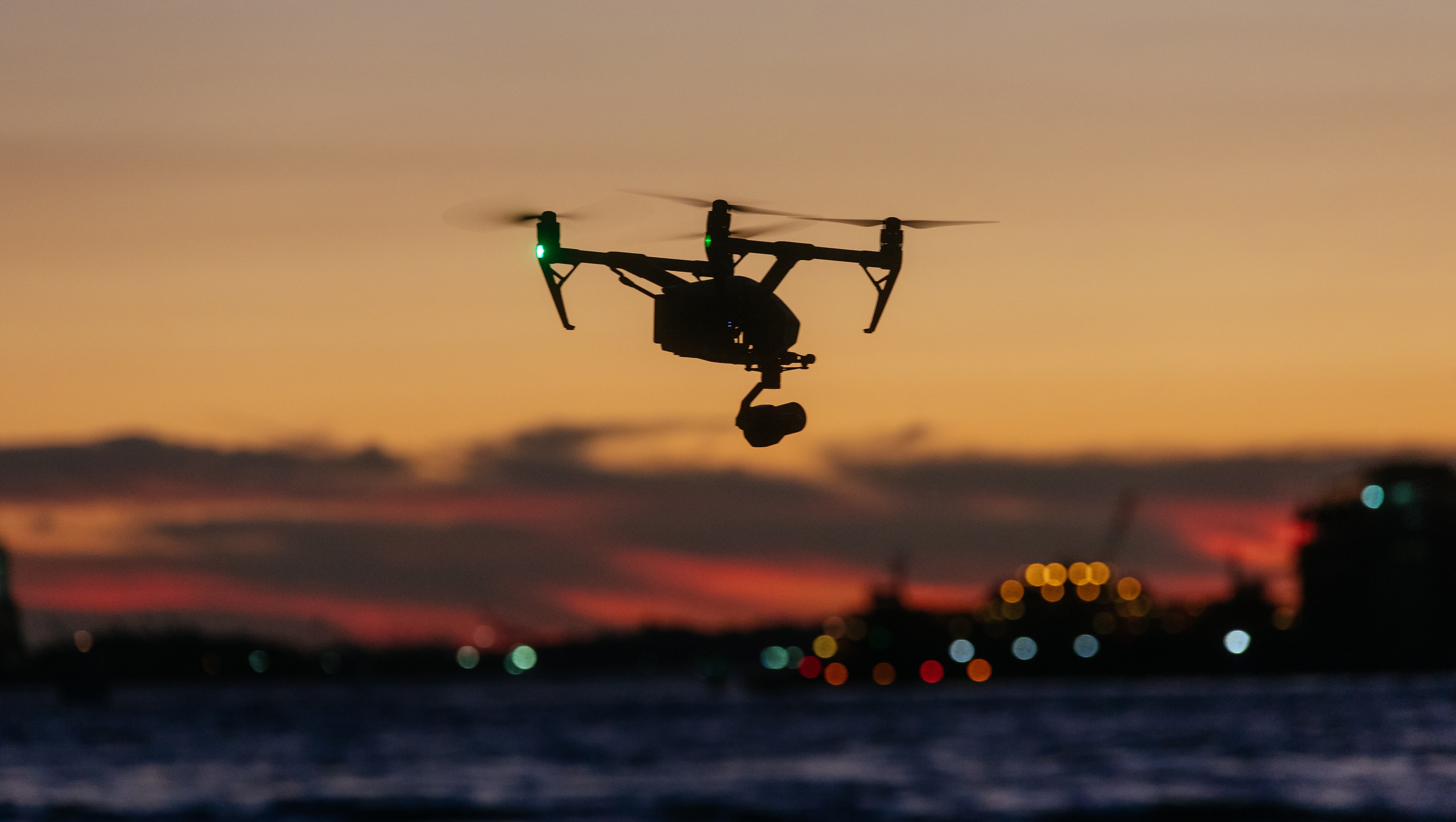
Drone as first responder (DFR) programs have moved from pilot projects to standard dispatch tools at police departments across the country, and that expansion is quietly creating a records problem few agencies have fully planned for: drone footage redaction. Brooklyn Park, Minnesota approved a $4.6 million drone program in November 2025, and departments from Dallas to San Francisco have launched or expanded similar units heading into 2026. Every one of those aerial cameras generates footage that is subject to the same public records laws as body-worn camera (BWC) video, but content captured from altitude, often a sweeping view of entire blocks, backyards, and bystanders with no connection to the call, raises redaction questions a ground-level camera rarely has to answer.
Why Drone Footage Redaction Is Becoming Its Own Compliance Problem
Most agencies built their video redaction programs around body-worn and in-car cameras: a single officer's point of view, a fixed field, a predictable set of faces close enough to blur with confidence. A DFR unit flying over a call changes that picture. A single flight can sweep across a dozen properties, catch people in their own yards who have nothing to do with the dispatch, and record continuously while in transit to and from a scene. When a records request or a FOIA (Freedom of Information Act) request for that footage arrives, drone footage redaction has to account for a far wider set of bystanders, a harder-to-define "scene," and, in many departments, telemetry overlays, flight-path data, and GPS coordinates burned into the frame that a BWC file never carries.
The programs themselves are expanding quickly enough that records staff are encountering this problem for the first time in real volume. Chula Vista, California, which launched one of the country's first DFR units in 2018, had logged more than 25,000 missions by May 2026. Agencies in Everett and Federal Way, Washington, Oceanside, California, Bridgeport, Connecticut, and Meridian, Idaho have all rolled out or announced programs within the past year, and most of them are discovering that their existing BWC redaction policy does not map cleanly onto aerial footage.
How Drone Video Differs From Body-Worn Camera Footage
A handful of practical differences separate drone footage from the body-worn and dash camera video most redaction teams already handle:
- Wider, less predictable field of view. A drone hovering above a scene can capture people, vehicles, and private property far outside the incident itself, simply because they happen to be visible from altitude.
- Recording in transit. Some programs record continuously from the moment a drone launches, which means footage exists of areas the drone merely flew over on the way to a call, not just the call itself.
- Private property and backyards. Aerial footage routinely includes views into yards, pools, and windows that a ground-level camera would never reach, raising a reasonable-expectation-of-privacy question that courts and legislatures are still working through.
- Telemetry and metadata overlays. Many drone platforms burn flight altitude, heading, GPS coordinates, and timestamps directly into the video frame, information that may itself need to be reviewed before release.
- No officer physically present. Because a drone is frequently airborne before an officer arrives, it can record a scene, and the people in it, under circumstances no human witness observed firsthand.
None of this means drone footage redaction requires an entirely new legal framework. Most states are applying the same public-records exemptions and privacy standards already written for body camera video. It does mean the drone footage redaction workflow itself, deciding what to blur, what to withhold, and what to release, has to be built around a wider frame and a longer list of bystanders than a BWC review checklist typically anticipates.
Drone Footage Redaction After Castañares v. City of Chula Vista
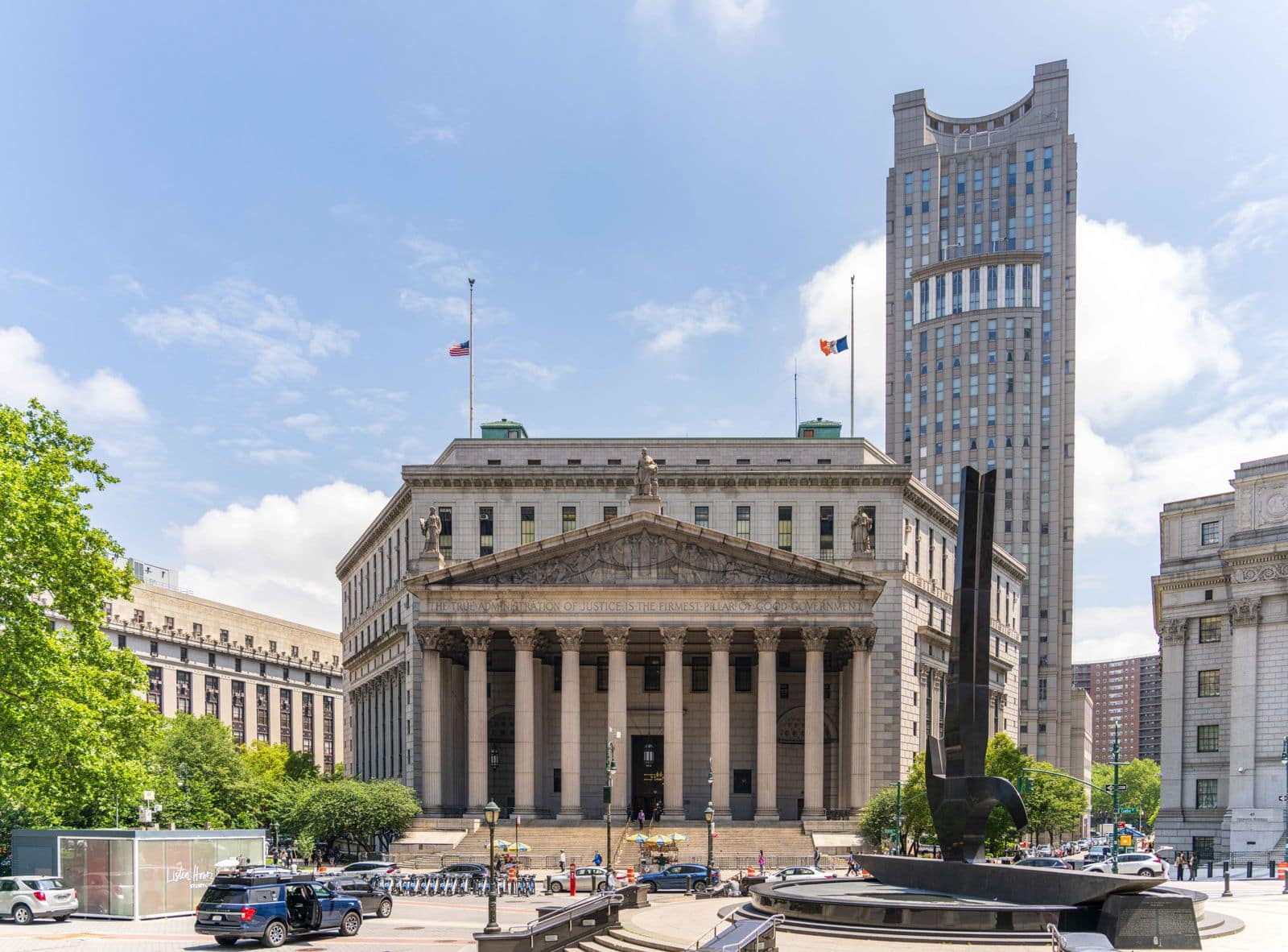
The clearest legal test of drone footage redaction to date comes out of California. In 2021, Arturo Castañares, publisher of La Prensa San Diego, filed a California Public Records Act (CPRA) request for a month of Chula Vista Police Department drone footage. The city denied it, arguing that all of the footage qualified as exempt investigatory material. A San Diego Superior Court judge initially agreed, but in December 2023, California's Fourth District Court of Appeal reversed in part, holding that a department cannot treat every minute of drone footage as automatically exempt simply because it originated with a law enforcement agency; the exemption has to be tied to an actual investigation.
Chula Vista asked the California Supreme Court to review that ruling in January 2024, framing the issue as one that would create confusion for agencies statewide. The Supreme Court let the appellate decision stand, and by 2025 a San Diego County trial court ordered the city to release twenty-five of the requested drone videos, with redactions, closing a dispute that had run for roughly four years. The city continued pursuing further review even after that order, underscoring how unsettled drone footage redaction still is in practice, even in the state furthest along in litigating it.
The lesson for agencies outside California is straightforward: a blanket claim that drone footage is categorically exempt from disclosure is unlikely to hold up if challenged. Drone footage redaction, like body camera redaction before it, is moving toward a record-by-record standard, where an agency has to show why a specific clip is exempt or sensitive rather than relying on the source of the recording alone. Our guide to what courts look for in defensible video redaction covers the documentation habits that hold up under exactly this kind of challenge.
How States Are Regulating Drone as First Responder Programs
State law on DFR programs is uneven, and most states have not yet written drone-specific rules into their public records statutes at all. A few examples illustrate the range:
- Minnesota requires a search warrant before law enforcement can use a drone to gather evidence under state statute 626.19, treating aerial surveillance as presumptively intrusive absent judicial approval, even as DFR programs expand around the state.
- Illinois's Drones as First Responders Act bars facial recognition on DFR flights and requires agencies to destroy footage within thirty days unless it is tied to an ongoing investigation.
- Washington State agencies, including Everett and Federal Way, have told local reporters they are applying the same retention and public-records rules to drone footage that already govern body camera video, even though, as of early 2026, state records law does not mention drones by name.
- New York's Syracuse Police Department uses a vendor platform that automatically deletes drone footage after three years, mirroring its body camera retention schedule rather than setting a separate standard.
The pattern across these states is that agencies are defaulting to their existing body camera framework for drone footage redaction, retention, and disclosure, absent a specific drone statute telling them otherwise. That default is a reasonable starting point, but it is not a guarantee: a records requester, a court, or a state legislature can still treat aerial footage differently once the volume of requests grows, which is exactly what happened in California. Agencies that have already built a defensible framework for other camera-source video, such as the approach described in our roundup of body camera redaction laws agencies must track, have a workable starting template to extend to drone footage rather than building a separate policy from nothing.
Building a Defensible Drone Footage Redaction Workflow
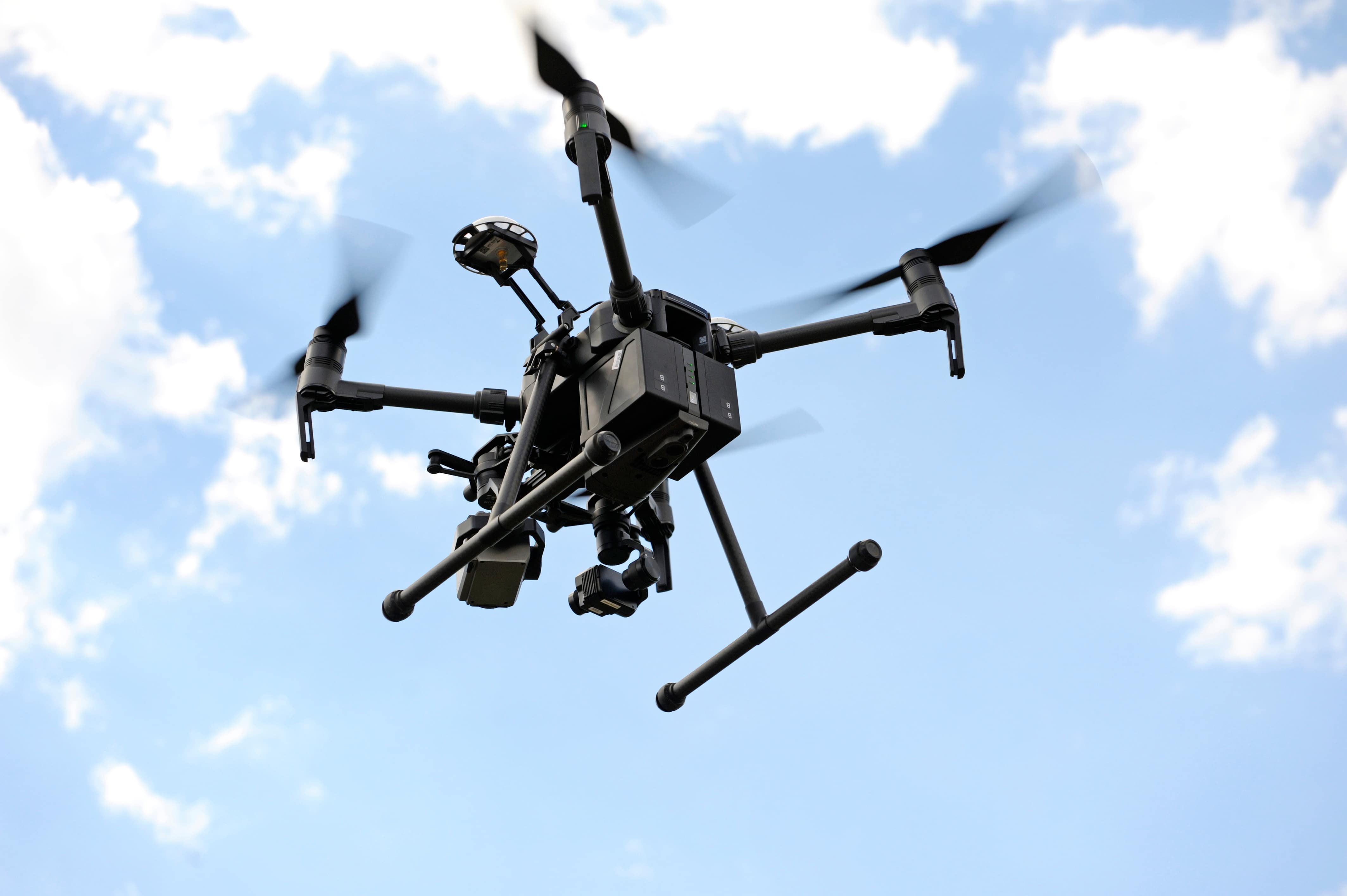
Agencies do not need to wait for a state law to put a drone footage redaction workflow in place. A workable drone footage redaction process generally covers the same ground a mature BWC program already does, adapted for the wider frame a drone captures:
- Classify every flight before footage is requested. Tag flights as tied to an active investigation, a call for service with no investigative follow-up, or routine patrol, since that classification will drive the records-exemption analysis later.
- Review the full frame, not just the subject of the call. Because a drone's field of view extends well beyond the incident, reviewers need to check for bystanders, license plates, and private property visible anywhere in the shot, not only near the reported location.
- Treat telemetry overlays as part of the review. GPS coordinates, altitude, and other burned-in flight data should be evaluated the same way a records unit evaluates any other identifying information in a BWC file.
- Preserve an unredacted original. As with body camera video, redaction should happen on a working copy, with the original flight recording retained under the agency's standard retention schedule.
- Document the legal basis for every redaction or withholding decision. A record-by-record justification, rather than a blanket claim that all drone footage is exempt, is what the Castañares litigation shows holds up on appeal.
- Route high-volume or high-profile flights through a second reviewer. A drone flight tied to a critical incident deserves the same second-pass quality control that agencies already apply to officer-involved-shooting BWC footage.
- Budget for the added review time. A wider frame and more bystanders generally mean more review hours per flight than a comparable BWC file; agencies that already built a cost-recovery structure using our guide to defensible video redaction fees for FOIA requests can extend that same fee logic to drone footage rather than absorbing the added cost silently.
Preparing Your Agency Before the First Drone Footage Redaction Request
Departments that handle their first drone footage redaction request well, and build a repeatable drone footage redaction process rather than improvising one under deadline, tend to have done the groundwork before that request ever arrives:
- Write the drone program's privacy rules down. Several departments, including Albuquerque and Honolulu, have adopted written policies limiting flights over areas with a reasonable expectation of privacy; a written standard gives records staff something concrete to apply when a request tests the edges of that rule.
- Confirm which retention schedule applies. Decide in advance whether drone footage follows the agency's BWC retention schedule, a separate drone-specific schedule, or a vendor's default deletion window, and put that decision in writing.
- Train redaction staff on the wider aerial frame. A reviewer accustomed to a body camera's narrow point of view needs specific training on scanning a full aerial frame for bystanders and property outside the immediate incident.
- Coordinate with counsel on the exemption analysis. Given how the Chula Vista litigation unfolded, agency counsel should review any policy that treats all drone footage as categorically exempt, rather than evaluated flight by flight.
- Publish what the public can already see. Several departments reduce the pressure on individual records requests by publishing flight logs, flight paths, and the stated reason for each deployment, giving requesters a starting point short of the raw video itself.
None of this requires new hardware or a larger redaction team than an agency already has for body camera video. It requires recognizing that drone footage redaction is a distinct discipline within the broader video redaction program, not an afterthought handled the same way as a patrol car dash camera simply because both devices feed into the same records request process.
Conclusion
Drone as first responder programs are expanding faster than most agencies' records policies have kept up with, and drone footage redaction is the compliance gap that expansion is exposing. The Castañares litigation in California shows that a blanket exemption claim is unlikely to survive a determined challenge, and the patchwork of state rules on retention, warrants, and facial recognition means agencies cannot assume a BWC policy will transfer cleanly to aerial video without review. Departments that classify flights up front, train staff to scan the wider frame a drone captures, and document every redaction decision will be in a far stronger position when the first drone footage records request lands on a records unit's desk.
Focal Forensics helps agencies and counsel extend a defensible redaction program to new camera sources, including drone and DFR footage, with frame-by-frame human review and the documentation a records challenge requires. Learn more about our video redaction services or reach out to discuss how your agency's current policy handles aerial footage.
Phone: 303-900-3585 · Email: info@focalforensics.com
Sources
- Trellis Law: Court Orders Release of Police Drone Footage in Landmark California Case
- Police Magazine: California City Asks State Supreme Court to Review Ruling Over Release of Drone Footage
- HeraldNet: Everett Police Drone Program Coverage (March 2026)
- MN Crime: Eyes in the Sky, the Rules of Police Drones Over Your Backyard
- Route Fifty: Policing Police Drones, How Regulations Can Protect Privacy While Expanding Public Safety (2023)
FAQs
What is drone footage redaction?
Drone footage redaction is the process of reviewing video captured by a police drone as first responder (DFR) program and blurring or muting faces, license plates, private property, and other identifying details before the footage is released in response to a public records or FOIA request. It follows the same basic goals as body-worn camera redaction, but it has to account for a much wider aerial field of view.
Is drone footage subject to the same public records laws as body camera video?
In most states, yes. Agencies in Washington, New York, and elsewhere have told local reporters they apply the same retention and disclosure rules to drone footage that already govern body-worn camera video, even where state law does not yet mention drones specifically. California's Castañares v. City of Chula Vista litigation confirmed that a department cannot treat all drone footage as automatically exempt from disclosure.
Can a police department withhold all of its drone footage as investigatory material?
Generally not as a blanket policy. In December 2023, California's Fourth District Court of Appeal ruled in Castañares v. City of Chula Vista that an agency cannot classify every minute of drone footage as exempt simply because it came from a law enforcement agency. The exemption has to be tied to an actual investigation, and the California Supreme Court let that ruling stand.
What makes drone video harder to redact than body camera footage?
Drone footage typically covers a much wider area than a body-worn camera, often sweeping across multiple properties and bystanders who have no connection to the call. Some programs also record while the drone is still in transit to a scene, and many platforms burn telemetry data, such as GPS coordinates and altitude, directly into the video frame, all of which a drone footage redaction review has to account for.
Do any states regulate drone as first responder (DFR) programs specifically?
Some do. Minnesota requires a search warrant before law enforcement can use a drone to gather evidence under state statute 626.19. Illinois's Drones as First Responders Act bars facial recognition on DFR flights and requires footage to be destroyed within thirty days unless it is tied to an ongoing investigation. Most other states have not yet written drone-specific rules into their public records statutes.
How should an agency prepare for its first drone footage records request?
Agencies that handle this well typically write down privacy rules for the drone program in advance, decide which retention schedule applies to drone video, train redaction staff to review the wider aerial frame, and involve counsel before adopting any policy that treats drone footage as categorically exempt from disclosure.