
Table of Contents
More agencies than ever are outsourcing the redaction of body-worn camera (BWC) footage, CCTV, and interview recordings – and most of them start with a procurement document. A well-written request for proposal (RFP) is the difference between hiring a partner that protects your agency and hiring a liability. Yet many RFPs for video redaction services are adapted from generic IT templates and miss the requirements that actually matter: evidence security, redaction accuracy, and defensible documentation. This guide walks through what records managers, procurement officers, and command staff should put in an RFP – and the red flags to watch for when the proposals come back.
Why an RFP for Video Redaction Services Is Different
Buying redaction is not like buying office software. The vendor will handle criminal justice information, unredacted footage of victims and minors, and material that may become courtroom evidence. The U.S. Bureau of Justice Assistance notes in its Body-Worn Camera Toolkit that BWC procurement often runs through a formal committee, RFP, and bid-review process – and that solutions must be evaluated against the agency's operational needs and jurisdictional laws, not just price. In other words: the RFP is where you encode your legal obligations. If a requirement isn't written down, you can't hold the winning bidder to it.
Start by Scoping Your Own Need
Before writing requirements for vendors, document your own workload honestly. Strong RFPs typically specify:
- Volume and growth. Hours of footage per month, number of cameras deployed, and the trend in public records requests.
- Formats. Which camera systems and DVR platforms you use – proprietary CCTV formats are a common stumbling block, and vendors need to state how they handle them.
- Deadlines. Statutory release timelines in your state, court-ordered production dates, and your internal service goals.
- Redaction policy. What your jurisdiction requires you to redact (faces, plates, juveniles, audio PII) and any local exceptions.
If your agency hasn't formalized these yet, our guide to implementing a video redaction program covers the groundwork, and our FOIA workflow checklist maps the request-to-release pipeline your vendor must plug into.
Security and Compliance Requirements
This section of the RFP should be non-negotiable. At minimum, require bidders to describe – in writing, with evidence – how they satisfy:
- CJIS Security Policy alignment. Vendor personnel with access to criminal justice information should be subject to fingerprint-based background screening and a signed CJIS Security Addendum where applicable. Some states operate formal vendor-screening programs; Minnesota's Bureau of Criminal Apprehension runs one, and Focal Forensics was an early approved vendor.
- Encrypted transfer and storage. How footage moves from your evidence system to the vendor and back, who can access it, and how access is logged.
- Chain of custody. Documented handling from intake to delivery, with originals preserved untouched and hash verification available on request.
- Retention and destruction. How long the vendor keeps your files after delivery and how deletion is certified.
- Personnel and facilities. Where the work is performed, by whom, and whether any work is subcontracted or processed offshore.
Public-records authorities such as the Municipal Research and Services Center emphasize that agencies remain responsible for lawful release even when work is outsourced – your RFP should make the vendor's obligations mirror your own.
Capability Requirements
Ask bidders to demonstrate, not just claim, that they can handle your footage:
- Video and audio together. Spoken names, addresses, and medical details need redaction just as faces do. A vendor that only masks video is doing half the job.
- High-motion BWC footage. Foot pursuits, crowds, and low-light scenes defeat naive automation. Ask how the vendor combines AI-assisted detection with human tracking and correction.
- Proprietary formats. Require a list of supported camera and DVR ecosystems, and how unsupported formats are converted without quality loss.
- Exemption logging. For FOIA responses, ask whether the vendor can deliver a log of each redaction and the reason for it – your records office will need it to cite exemptions.
- Turnaround and surge capacity. Routine turnaround times, expedited options for statutory deadlines, and capacity for a sudden high-profile release.
Quality Assurance: Demand a Second Pass
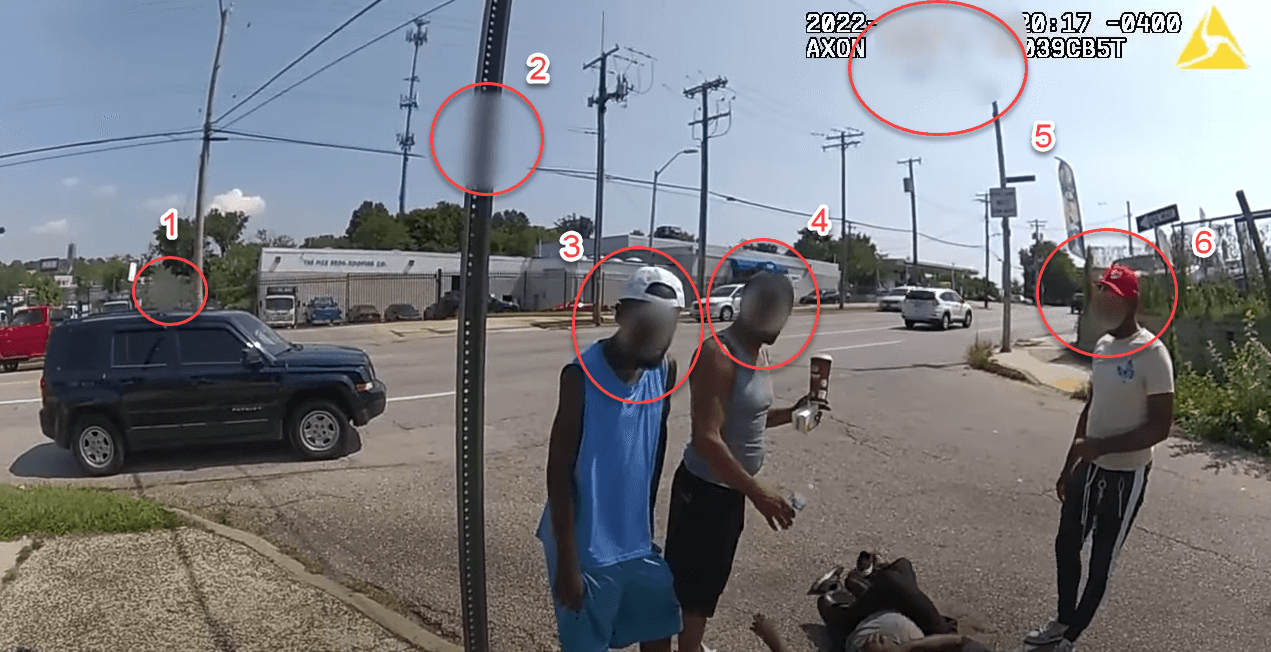
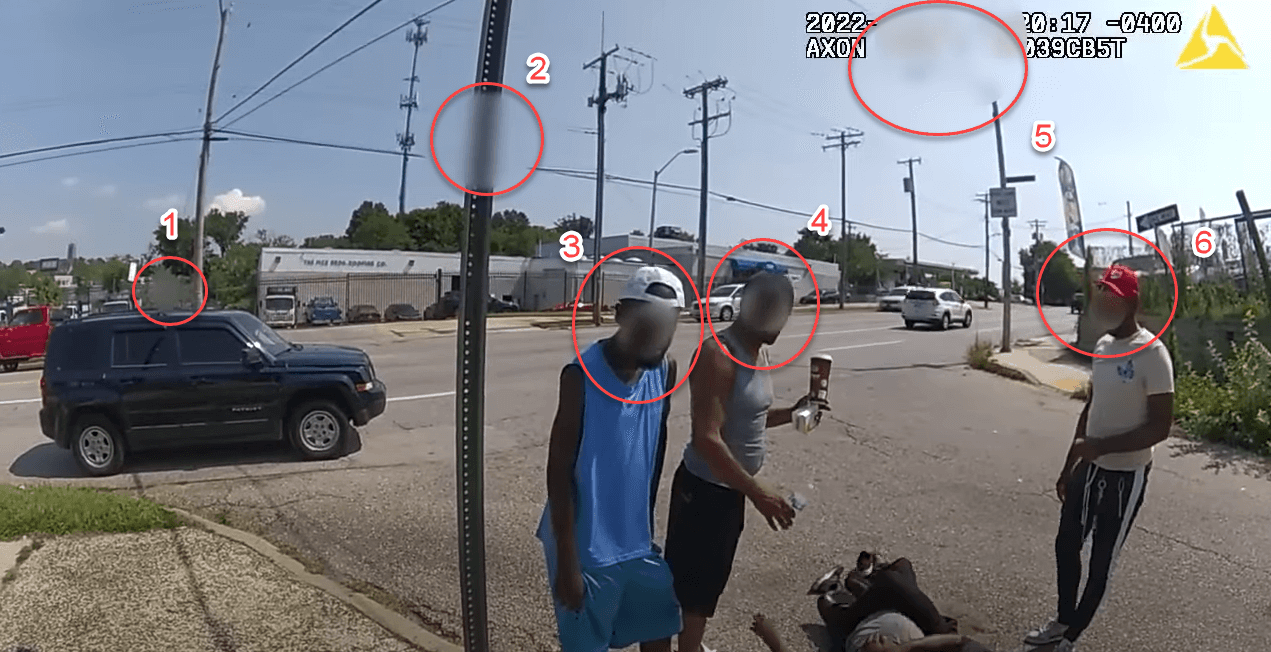
Accuracy is where redaction vendors earn or lose their keep. A single frame with an exposed face, ID card, or license plate can compromise a victim's privacy and your agency's credibility. Common failure modes we see in released footage include mask slips on moving subjects, missed reflections in windows and mirrors, partially covered identity documents, and over-redacted audio that cuts releasable words.
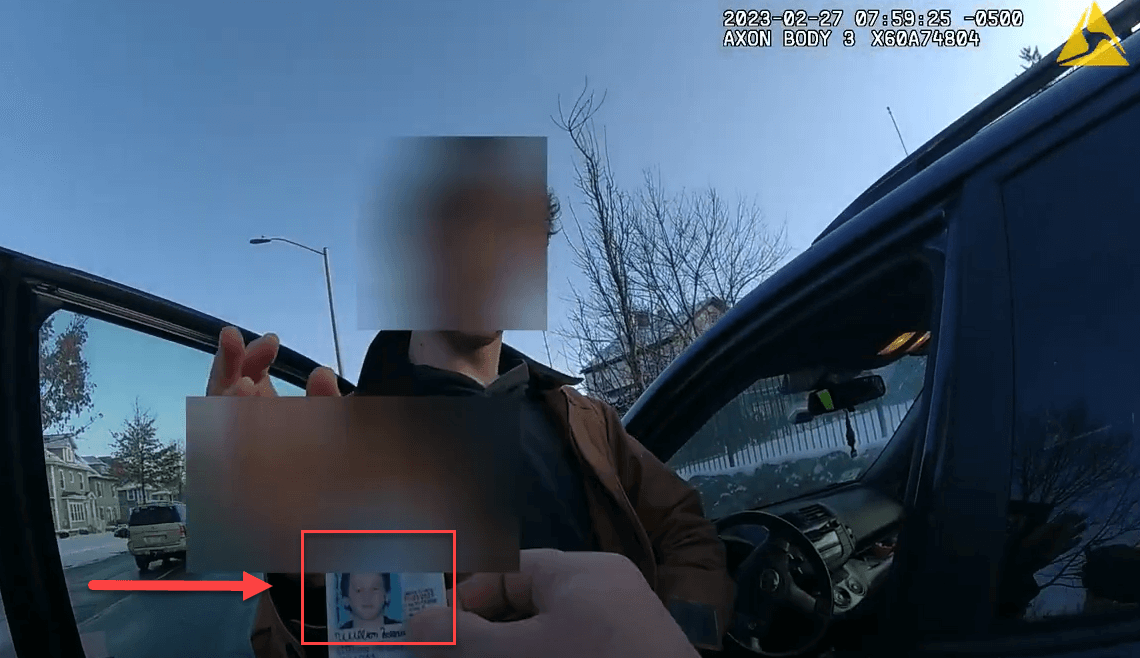
Example media obtained from publicly posted footage to illustrate common redaction issues.
Your RFP should require a documented quality assurance process: a full second-person review of every deliverable, a check that redacted file length and quality match the original, and a written QA record you can produce if the redaction is ever challenged. Vendors offering professional video redaction services should welcome these requirements – hesitation here is informative.
Pricing, References, and Pilot Projects
Redaction pricing usually follows one of a few models: per finished minute of footage, per hour of technician time, or per project. Each is workable; what matters is that the RFP forces comparable quotes. Specify a sample workload (for example, a set number of BWC hours with defined redaction targets) so every bidder prices the same job. Then:
- Request references from agencies of similar size and request type – and call them.
- Score a pilot. Have finalists redact a short, representative sample of your actual footage (with appropriate agreements in place) and evaluate accuracy, turnaround, and communication before you commit.
- Check the paper trail. Ask for a sample QA record and exemption log from a past project, redacted as needed.
Red Flags to Watch For
- Promises of fully automated, "100% accurate" AI redaction. Automation is a first pass; accuracy comes from verified human review.
- No written QA process – or a QA process that lives only in the sales deck.
- Vague answers on CJIS screening, subcontracting, or where footage is stored and processed.
- No experience with your camera platform or with law-enforcement footage generally – corporate marketing video experience does not transfer.
- Pricing that can't be compared because the bidder won't commit to a defined sample workload.
Conclusion
An RFP for video redaction services is really a specification for how your agency's most sensitive footage will be protected outside your walls. Scope your workload honestly, write security and QA requirements you can enforce, make bidders prove capability on your actual footage, and keep the documentation trail that makes every release defensible. Do that, and outsourcing becomes what it should be: a way to clear backlogs and meet deadlines without gambling with the public's trust.
Preparing an RFP or evaluating vendors now? Focal Forensics provides CJIS-compliant video redaction services to law enforcement agencies and public organizations nationwide, and we're glad to answer procurement questions directly. Contact us today – Phone: 303-900-3585 · Email: info@focalforensics.com
Sources
- Bureau of Justice Assistance – BWC Toolkit: Implementation
- Bureau of Justice Assistance – BWC Toolkit: Technology
- MRSC – Disclosure of Law Enforcement Video Footage