
Table of Contents
- What Proposed Federal Rule of Evidence 707 Would Have Required
- Why the Rule Stalled in 2026, and What Remains Unsettled
- AI-Touched Evidence Is Already in the Courtroom, Rule or No Rule
- How Forensic Video Authentication Works
- How Forensic Audio Authentication Works
- What Attorneys and Agencies Should Do Now
- Conclusion
- Sources
- FAQs
Federal rulemakers spent the better part of a year trying to write a rule for evidence that no one had fully defined. In May 2025, the U.S. Judicial Conference's Advisory Committee on Evidence Rules voted 8-1 to publish a proposed new Federal Rule of Evidence 707, which would have required courts to screen "machine-generated evidence" (outputs from software, algorithms, and AI systems) for reliability before letting a jury see it. After a public comment period that closed in February 2026 and further review in the spring, the Standing Committee on Rules of Practice and Procedure decided in June 2026 not to recommend the rule for adoption, sending it back for revision. The rule's stall does not resolve the underlying problem it was written to address: courts, attorneys, and investigators still need a reliable way to evaluate audio and video evidence that may have been generated, altered, or touched by AI. That is the role forensic digital evidence authentication already plays, independent of how the rulemaking process concludes.
What Proposed Federal Rule of Evidence 707 Would Have Required
Proposed Rule 707 was built around a specific gap in the existing Federal Rules of Evidence: machine-generated outputs such as facial recognition matches, gunshot-detection alerts, AI-assisted image or video analysis, and similar computer-generated conclusions are not "expert testimony" under Federal Rule of Evidence 702, so they had not been subject to that rule's reliability gatekeeping. Rule 707 would have closed that gap by requiring that when a party offers machine-generated evidence to prove a fact, and no human expert is presenting it as their own opinion, the proponent must still show that the evidence:
- Rests on sufficient facts or data. The output has to be grounded in an adequate factual basis, not a black-box guess.
- Comes from reliable principles and methods. The underlying software or model has to be built on methodology that can be examined and tested.
- Reflects a reliable application of that methodology. The method has to have actually been applied correctly to the facts of the case at hand.
That framework mirrors the reliability test Federal Rule of Evidence 702 already applies to expert witnesses, and by extension the Daubert line of cases most litigators already work with. The public comment period ran from August 15, 2025, through February 16, 2026, and drew substantial pushback. The American Association for Justice, among others, filed formal comments arguing the rule was drafted too broadly and risked sweeping in evidence types (geolocation data, routine surveillance footage, electronic health records) that courts already treat as ordinary business or scientific records.
Why the Rule Stalled in 2026, and What Remains Unsettled
The Advisory Committee discussed the public comments at its May 7, 2026 meeting and reported "greater overall concerns" with the proposal than it had anticipated. At its June 3-4, 2026 meeting, the Standing Committee declined to recommend Rule 707 for adoption at that time and returned it for further study, alongside a related but separate question the rules committees are also examining: how courts should handle deepfakes and other AI-manipulated media offered as evidence, as opposed to AI-generated analytical outputs. Both issues remain unresolved as of this writing, and any eventual rule change would still need to clear the Standing Committee, the Judicial Conference, the Supreme Court, and a congressional review period, a process that typically takes years, not months.
For attorneys and agencies handling audio or video evidence today, the practical takeaway is that there is no federal rule specifically governing machine-generated or AI-touched evidence yet, and there may not be one for some time. Judges are left applying existing authentication standards under Federal Rule of Evidence 901 (which asks only whether a reasonable jury could find the evidence more likely than not genuine) to a category of evidence that standard was not written to anticipate.
AI-Touched Evidence Is Already in the Courtroom, Rule or No Rule
Whatever happens to Rule 707, the volume of audio and video evidence with some AI involvement (whether in its creation, its alteration, or a party's mere allegation that it was altered) is not going down. A few categories attorneys are already encountering:
- AI voice cloning. Modern voice-synthesis tools can produce audio that mimics a specific person's voice closely enough to fool casual listeners, raising both offensive and defensive scenarios: a party may need to prove a recording is a clone, or defend a genuine recording against a claim that it is one.
- AI-generated or AI-edited video. Generative video tools and AI-assisted editing can create footage of events that never occurred or alter existing footage in ways that are not visible to the naked eye.
- Bare allegations of fabrication. Even when no manipulation actually occurred, the mere availability of deepfake technology gives litigants a new way to challenge inconvenient but genuine recordings, a dynamic sometimes called the "liar's dividend."
Our earlier discussion of when to call a forensic audio/video expert covers this dynamic in more detail, including why early authentication work, done well before trial, is the most effective way to head off a deepfake dispute rather than litigate it after the fact.
How Forensic Video Authentication Works
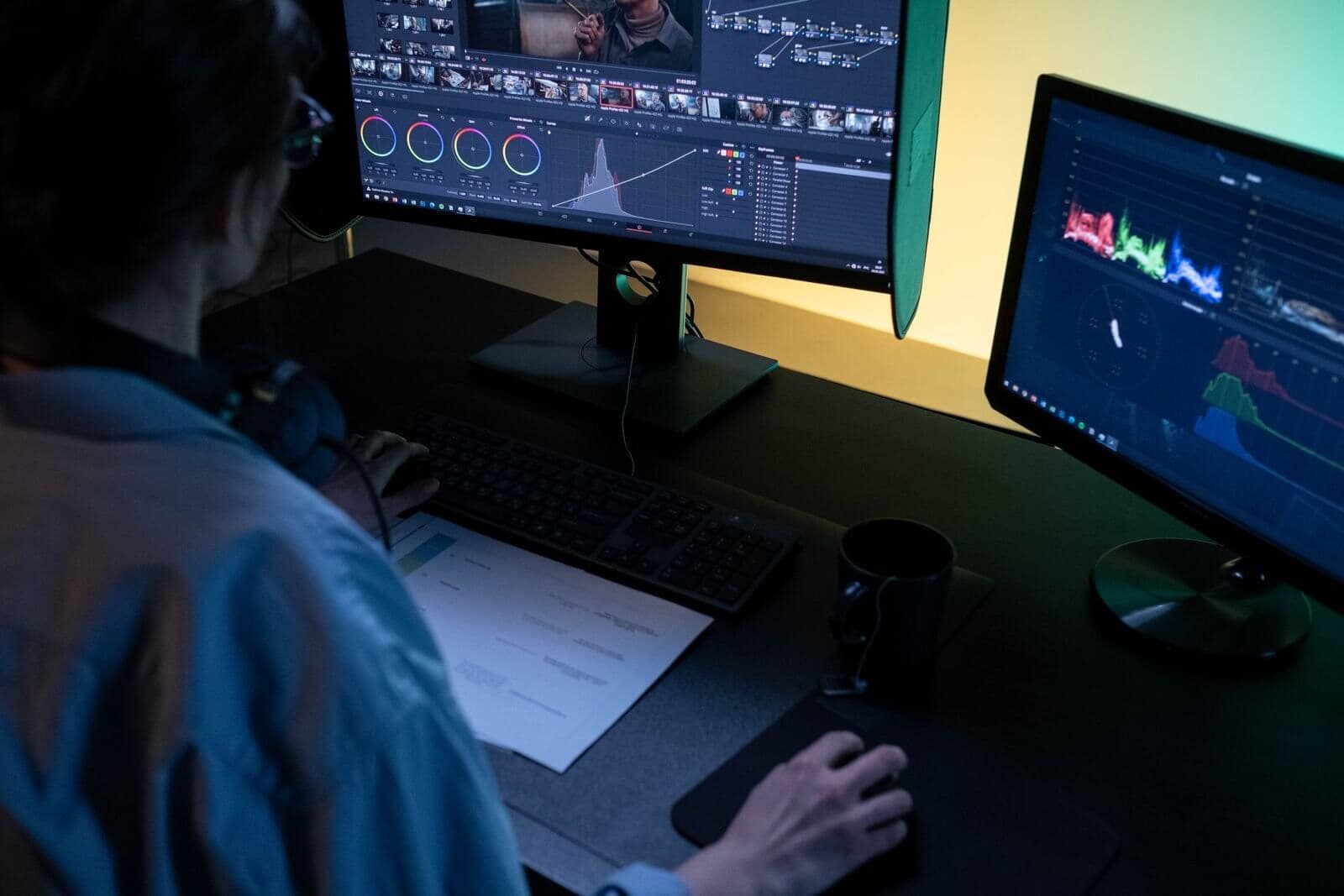
Video is one half of digital evidence authentication, and it does not attempt to render a simple "real or fake" verdict from a single test. It is a structured examination, consistent with the approach outlined in SWGDE's published best practices for digital video authentication, that looks at multiple independent lines of evidence and weighs them together. Typical elements include:
- Container and codec analysis. Examining the file's structure, compression history, and codec signatures for inconsistencies with the device or software the file is claimed to have come from.
- Frame-level review. Checking for dropped frames, duplicated frames, or discontinuities in motion and lighting that can indicate splicing or insertion.
- Re-encoding artifacts. Identifying signs that a file has been exported, compressed, or transcoded more than once: each generation can leave detectable traces.
- Metadata and provenance review. Comparing embedded metadata, timestamps, and file properties against the claimed source and chain of custody.
- Content-consistency checks. Looking for physical or contextual inconsistencies (shadows, reflections, audio-visual sync) that would be difficult for even sophisticated editing to preserve throughout a clip.
No single one of these checks is conclusive on its own, and a qualified examiner will document which tests were run, what was and was not found, and how confidently that supports their conclusion: the same kind of methodological transparency Rule 707 was trying to require by statute.
How Forensic Audio Authentication Works
Audio authentication is the other half of digital evidence authentication, following a parallel logic and drawing on the same categories of analysis described in SWGDE's best practices for digital audio authentication. A forensic examiner typically combines several of the following:
- File format and metadata analysis. Reviewing the file's digital signature and metadata to identify signs of copying, compression, or editing software.
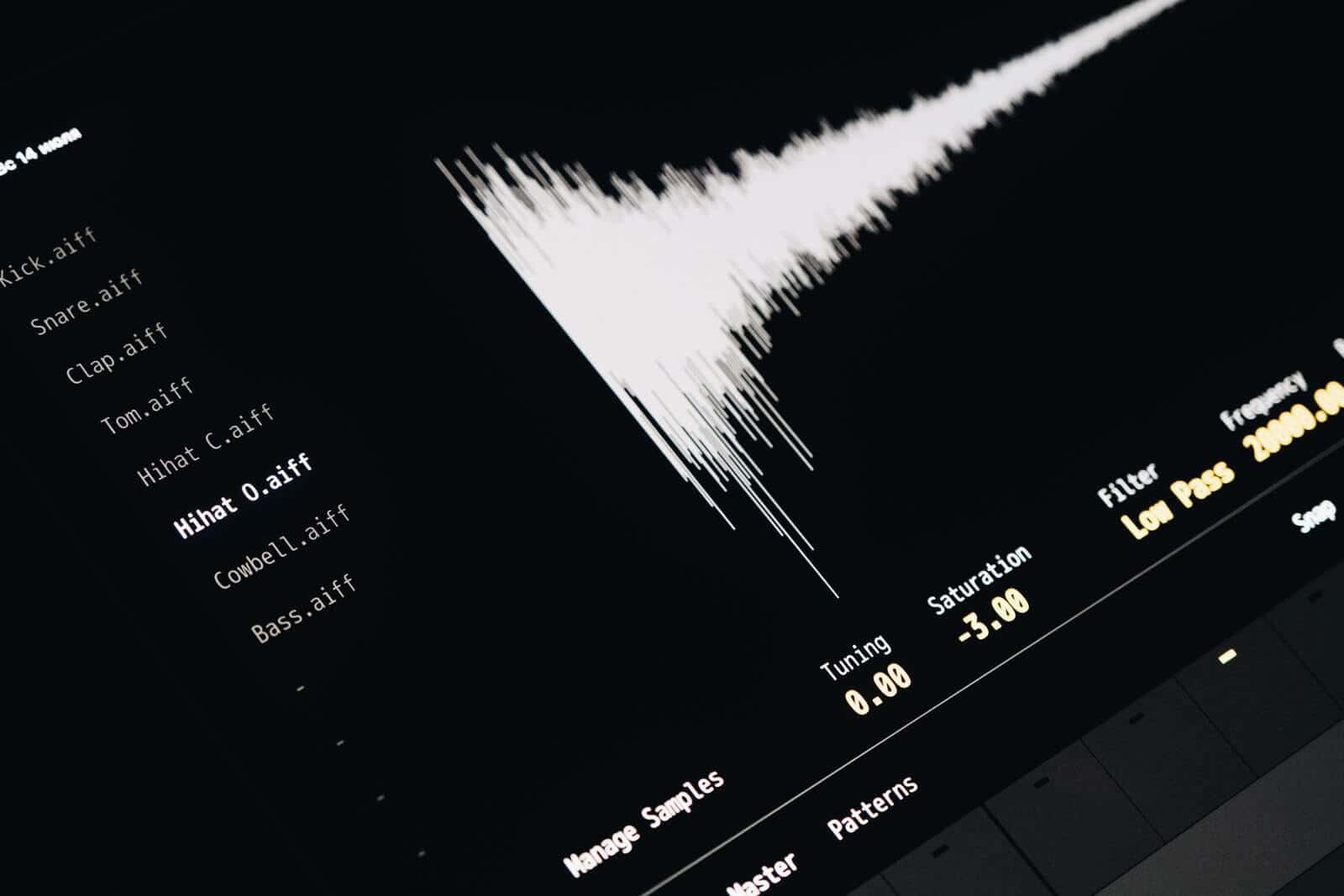
- Spectral analysis. Visualizing the audio's frequency content to spot anomalies inconsistent with a continuous, unedited original.
- Electric Network Frequency (ENF) analysis. Where a recording captured the faint background hum of the electrical grid, comparing that hum against historical ENF databases can help establish when (and sometimes where) a recording was made.
- Waveform and amplitude analysis. Checking for unnatural interruptions or level changes that can indicate a splice, sometimes called "butt splicing," between two separate recordings.
- Critical listening. A trained ear reviewing the recording for abrupt shifts in tone, room ambience, or background noise that automated tools can miss.
Our more detailed look at audio authentication methods walks through how these techniques combine into a single, court-ready conclusion. As with video, the goal is not to promise certainty the science cannot support, but to document a defensible, repeatable process an opposing expert or a judge can evaluate on its merits.
What Attorneys and Agencies Should Do Now
Regardless of where the Rule 707 revision process lands, a few digital evidence authentication practices protect a case (and a client) against AI-related authenticity disputes:
- Preserve native files, not exports. A copy exported from a phone, DVR, or body-worn camera platform can strip or alter the metadata an authentication exam depends on. Request and preserve the original file whenever possible.
- Engage an expert before the dispute crystallizes. An authentication exam completed months before trial gives counsel time to adjust strategy; one done the week before trial does not.
- Build the record a Daubert-style challenge would demand. Ask any expert, human or machine-assisted, to document the methodology used, its known limitations, and how it was applied to the specific file, even if no rule currently requires it.
- Treat consumer "deepfake detector" tools with caution. General-purpose detection apps are not a substitute for a forensic examination with a documented methodology and a qualified examiner who can testify to it.
- Watch the rulemaking, but don't wait on it. Track the Advisory Committee's revised proposal, but build every case as if the authentication burden already applies, because in practice opposing counsel will often argue that it should.
Our overview of audio forensics expert witness services covers what that documentation and testimony typically look like once a case reaches deposition or trial.
Conclusion
Proposed Federal Rule of Evidence 707 was an attempt to give courts a formal reliability standard for machine-generated evidence, and its return for further study in June 2026 means that standard is not arriving soon. That leaves the existing, well-established discipline of digital evidence authentication (forensic video and audio examination) as the most practical tool attorneys and investigators have for evaluating AI-touched recordings under current law. A documented, methodologically transparent authentication exam does today what Rule 707 was designed to require by statute, without waiting for Congress or the Supreme Court to act.
Facing a recording whose authenticity is in question, or preparing for one that might be? Focal Forensics provides forensic audio and video authentication services and expert witness testimony to help attorneys and agencies build a defensible record. Phone: 303-900-3585 · Email: info@focalforensics.com
Sources
- National Law Review: New Evidence Rule 707 Would Set Standards for AI-Generated Courtroom Evidence
- National Law Review: Machine-Generated Evidence Challenges the Federal Rules: Inside the Contested Proposed Rule 707
- American Association for Justice: Formal Comment on Machine-Generated Evidence (FRE 707)
- Meyers Nave: Proposed New Federal Rule Regarding AI-Generated Evidence
- Lucid Truth Technologies: FRE 707 AI Evidence: What Defense Attorneys Must Know
- SWGDE: Best Practices for Digital Video Authentication
- SWGDE: Best Practices for Digital Audio Authentication
- Illinois State Bar Association: Deepfakes in the Courtroom: Problems and Solutions